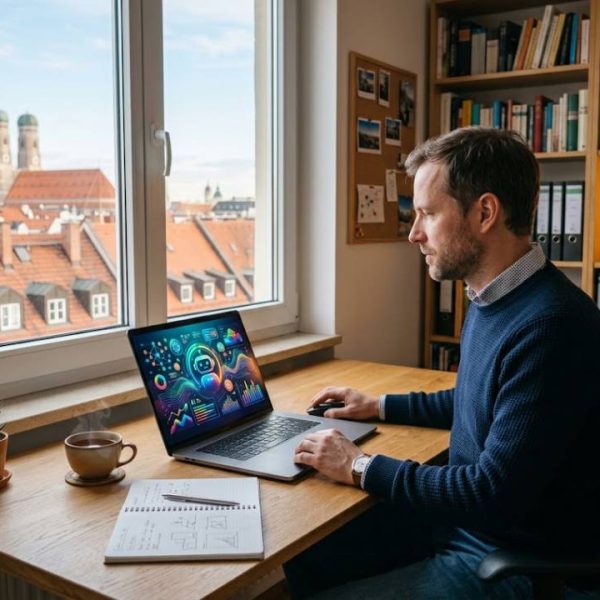
Shared workspaces bring freelancers, start ups and remote teams under one roof. They offer flexibility and community, but productivity does not happen automatically. This guide covers practical ways to make a shared space work for focus, collaboration and wellbeing.
Choose a Space That Fits Your Work
Visit before you commit. Check noise levels, lighting, desks and meeting rooms. A space that suits how you actually work is worth more than a trendy address. Ask for a trial day to test the atmosphere.
Consider Location and Commute
A shorter journey saves energy and money. Look for good public transport, safe parking and nearby food options. Convenient access makes you more likely to use the space regularly.
Understand the Membership Options
Hot desks, dedicated desks and private offices suit different needs. Compare monthly cost, included hours and extras such as printing or lockers. Start flexible and upgrade when your routine settles.
Set a Daily Routine
Arrive at a consistent time, plan three priorities and block meeting slots. Routine signals to your brain that work has begun, which reduces procrastination in an open environment.
Use Headphones and Quiet Zones
Shared areas can be lively. Noise cancelling headphones and quiet rooms protect deep work. Save phone calls for booths so colleagues are not disturbed.
Keep Your Desk Organised
Clear space helps clear thinking. Store documents safely, use a small bag for cables and tidy up at the end of the day. Hot desk users especially benefit from a quick start and finish routine.
Protect Your Privacy
Use privacy screens, lock your laptop when you step away and avoid discussing confidential matters in open areas. Good habits protect clients and show professionalism to neighbours.
Use Meeting Rooms Wisely
Book rooms in advance, state purpose and finish on time. Short stand up meetings in common areas keep energy high, while important client sessions deserve a private, well equipped room.
Network Without Pressure
Casual conversations at the kitchen or events can lead to collaborations. Be curious, offer help and share useful contacts. Relationships built slowly often become the most valuable.
Join Community Events
Workshops, lunch talks and social evenings introduce you to other professionals. Even one event a month can bring new clients, partners and ideas that you would not find alone.
Collaborate Across Skills
Designers, developers, accountants and writers often share the same space. Swapping expertise saves money and speeds up projects. Agree clear terms for any shared work to avoid confusion.
Work With Clients Overseas
Many members serve international customers. For Filipino speaking partners, dependable english to tagalog translation keeps proposals, contracts and marketing materials accurate and culturally suitable.
Prepare Legal Paperwork Properly
Cross border business may require formal authorisation. Understanding power of attorney translation helps small firms avoid delays when representatives act on their behalf in another country.
Look After Your Health
Take screen breaks, walk at lunchtime and adjust your chair and monitor. Drink water and step outside for fresh air. Comfort supports concentration through the afternoon slump.
Shared workspaces solve the desk problem described above, but they leave the administrative load exactly where it was. Founders who move into one still spend their mornings on inboxes, scheduling and chasing invoices, which is the work that actually crowds out everything else. That is why so many of them pair the new desk with virtual assistant services, since the point of the move was to get time back rather than simply to change the view.
Maintain Boundaries
Shared spaces are social, but your time is still limited. Politely decline long chats when you are busy and agree work hours with clients so evenings stay free.
Be a Good Neighbour
Clean up after yourself, keep shared appliances tidy and respect noise rules. Small courtesies build a friendly atmosphere that benefits every member.
Understand Workplace Rights
Freelancers and employers both benefit from clear expectations. The Acas guidance explains good practice on agreements, communication and resolving workplace disagreements in the United Kingdom.
Track Your Productivity
Notice when you do your best work and protect that time. Short weekly reviews show which routines help and which distractions need to go. Adjust rather than guess.
Use Digital Tools Together
Shared calendars, chat apps and project boards keep teams aligned across locations. Agree a few simple tools and stick to them. Too many platforms create confusion and lost messages.
Plan for Growth
If your team expands, check how easily you can add desks or move to a private office. A flexible agreement lets you scale up without disrupting your current work.
Manage Costs Carefully
Track your monthly spend, compare it with revenue and review needs every quarter. Pay for what you use, and negotiate if you commit to longer terms.
Make Time for Rest
Productivity depends on recovery. Leave on time most days, take proper holidays and protect weekends. Sustainable pace beats short bursts of exhaustion.
Review and Improve
Every few months, ask yourself whether the space still supports your goals. Share feedback with managers. Good operators listen and improve facilities when members speak up.
Welcome Newcomers
New members often feel unsure on their first week. A friendly introduction, a quick tour and an invitation to lunch make a lasting difference and strengthen the sense of community.
Keep a Flexible Mindset
Work patterns change, and so do your needs. Be willing to try a different desk, new hours or a different kind of space until you find the arrangement that supports your best work.
Final Thoughts
A shared workspace can be a powerful base for your business when you use it with intention. Choose a few habits from this list, test them and keep what works. Focus, courtesy and community make the difference.