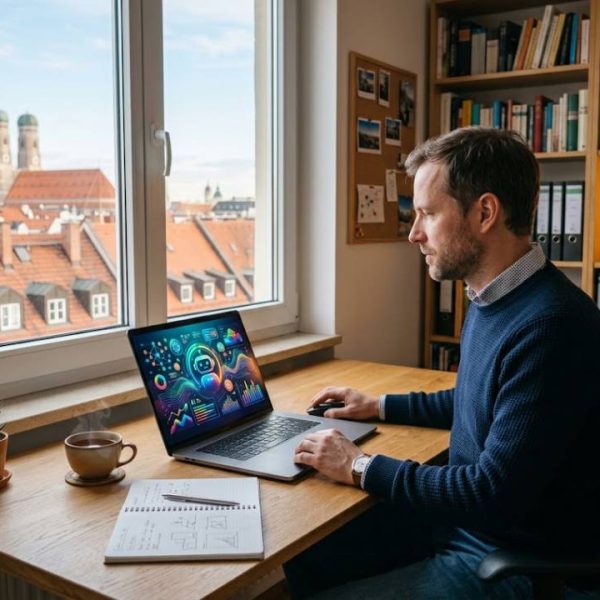
Remote work has moved from a perk to a normal way of working for millions of people. Done well, it saves commuting time, widens the pool of talent and gives employees more control over their day. Done poorly, it leads to isolation, unclear expectations and burnout. The difference lies in habits, tools and agreements that both employees and employers build on purpose.
What Remote Work Really Looks Like
Remote arrangements range from occasional days at home to fully distributed companies with no office. Some teams work in the same time zone, others span continents. Each setup needs different rules for meetings, communication and decision making.
Before you start, clarify which model your company follows and what is expected of you in terms of availability, deliverables and reporting.
Setting Up a Productive Workspace
A dedicated space, even a small one, helps your mind switch into work mode. Choose a comfortable chair, a desk at the right height, good lighting and a reliable internet connection. Add a headset and a second screen if you can.
A workspace that signals work time makes it easier to stop work at the end of the day, which protects both productivity and personal life.
Building a Routine That Works
Start and finish at consistent times, plan your most demanding task for your best hours and schedule breaks. Dress for work if it helps you focus. Use a short ritual, such as a walk, to mark the start and end of the day.
Avoid the temptation to work around the clock. Clear boundaries prevent exhaustion.
Communicating Clearly and Often
Without hallway conversations, teams must communicate on purpose. Write messages that include context, desired outcome and deadlines. Use video for complex discussions and chat for quick questions. Summarize decisions in a shared document.
Respect time zones and set core hours when everyone is available.
Tools That Make Remote Teams Efficient
Common categories include chat, video meetings, project management, document collaboration and password managers. Choose a small, well-integrated set rather than many overlapping tools. Train everyone and keep a short guide.
Security matters. Use strong authentication, updated devices and secure connections.
Managing Remote Teams Fairly
Focus on outcomes, not hours online. Set clear goals, give regular feedback and hold one-to-one conversations. Make sure that people in the office do not receive better opportunities than those at home.
The International Labour Organization guidance on telework offers research and recommendations on fair and healthy telework arrangements.
Avoiding Isolation and Burnout
Plan social contact, such as virtual coffee breaks, coworking days and team events. Take real lunch breaks, move during the day and keep hobbies outside work. Talk to your manager if workloads become unmanageable.
Recognize signs of burnout early, including constant tiredness, irritability and loss of motivation.
Working With People in Other Countries and Languages
Distributed teams often include colleagues who speak different languages. Clear writing, shared glossaries and patience help. Companies working with Arabic-speaking clients often use english to arabic translation services for contracts, onboarding material and customer support.
Teams hiring in Eastern Europe can read our overview of English to Romanian translation to see how professional translation supports documentation and policies.
Legal, Tax and Contract Considerations
Working from another country can raise questions about tax, social insurance, permits and data protection. Check local rules and company policies before relocating. Written agreements about equipment, expenses and working hours prevent disputes.
Seek professional advice when your situation is complex.
Cybersecurity at Home
Use strong passwords, enable multi-factor authentication, update devices and avoid public Wi-Fi for sensitive work. Separate personal and work profiles on shared computers. Report suspicious messages quickly.
A few habits prevent most incidents.
Growing Your Career Remotely
Visibility matters when you are not in the office. Share progress, ask for feedback, volunteer for projects and keep skills up to date. Build relationships across the company.
Remote workers who communicate proactively advance as well as those at headquarters.
Common Mistakes to Avoid
Typical problems include unclear expectations, constant meetings, working too late and neglecting social contact. Another is relying only on chat for complex topics.
Review your habits every month and adjust.
Final Thoughts
Remote work offers freedom and responsibility. Create a good workspace, communicate clearly, protect your wellbeing and keep learning.
With the right habits, working from home can be productive and satisfying.
Hiring and Onboarding Remote Employees
Remote onboarding needs extra care. Send equipment in advance, assign a buddy, schedule short introductions and document processes clearly. A structured first month helps new hires feel connected and understand expectations.
Interview questions should test communication, independence and reliability, which matter greatly in remote roles.
Measuring Success Without Micromanaging
Use clear goals, regular check-ins and shared dashboards. Avoid tracking software that monitors every keystroke, because it erodes trust. Ask whether work is delivered on time and at the expected quality.
Teams that feel trusted usually perform better and stay longer.
Coworking Spaces and Hybrid Options
Not everyone enjoys working alone at home. Coworking spaces provide desks, meeting rooms and a community of other professionals, and hybrid schedules mix home days with office days. Try a few options before you commit to a membership.
Companies can offer stipends for coworking so that employees who live far from headquarters still have a good place to work.
Meetings That Respect Everyone Time
Keep meetings short, send agendas in advance and record decisions in writing. Use asynchronous updates, such as shared documents and short videos, when live discussion is not necessary. Rotate meeting times in international teams so that the same people are not always working late.
Fewer, better meetings leave more time for focused work.
Equipment, Ergonomics and Health
A supportive chair, a monitor at eye level and a keyboard that keeps wrists neutral prevent pain. Take short breaks every hour, look away from the screen regularly and stretch. Employers can offer equipment allowances and ergonomic advice.
Good posture and regular movement protect health over the years.
Remote Work Across Cultures and Time Zones
Distributed teams must learn each other communication styles. Some cultures prefer direct feedback, others favor careful phrasing. Share team agreements about response times, language use and holidays.
Rotating responsibility for early and late meetings is a fair way to share the burden of time differences.